Top articlesSee all...

A Comprehensive Guide to Dog Exercise

How To Crate train An Older Dog - A Comprehensive Guide

How To Socialize A Dog - A Comprehensive Guide

Leash Training: A Guide to Training Your Dog to Walk on a Leash

Skijoring: A Guide to Skijoring with Dogs

The Best Dog Enrichment Toys

The Best United States Dog Parks

The Best Indoor Dog Parks in the United States

The Best Off-Leash Dog Parks in the United States
Top articles
A Comprehensive Guide to Dog Exercise
How To Crate train An Older Dog - A Comprehensive Guide
How To Socialize A Dog - A Comprehensive Guide
Leash Training: A Guide to Training Your Dog to Walk on a Leash
Skijoring: A Guide to Skijoring with Dogs
The Best Dog Enrichment Toys
The Best United States Dog Parks
The Best Indoor Dog Parks in the United States
The Best Off-Leash Dog Parks in the United States
See all...How to Choose a Mixed Breed Dog: Real Owner Insights

/fit-in/0x450/wp-content/uploads/2026/02/Untitled-design-11.png)
When it comes to dog ownership, there's no shortage of advice about purebred dogs. Golden Retrievers are friendly family dogs. Border Collies need jobs. German Shepherds are loyal protectors. But what about the 40% of dog owners who have mixed breed dogs? The mutts, the rescues, the "we're not quite sure what he is" companions?
We surveyed 3,000+ dog owners to understand real-world dog ownership experiences, and 1,006 of them (the largest group in our study) were proud owners of mixed breed dogs. This is the most comprehensive look at mixed breed dog ownership we've seen, and the results challenge some assumptions while confirming what mutt lovers have known all along.
Jump Ahead: Mixed Dog Breeds
- What Makes a Mutt a Mutt?
- The Mixed Breed Advantage: What the Data Shows
- The Health Advantage: Hybrid Vigor Is Real
- The Less Glamorous Stuff: Poop, Humping, and Face Licking
- Anxiety and Stress Signals in Mixed Breeds
- What Mixed Breed Owners Argue About
- The "We're Not Sure What He Is" Factor
- What Are the Most Common Breeds in Mixed Breed Dogs?
- Why Are So Many Mixed Breeds Part Pit Bull?
- The Cost Advantage: Mutts Are More Affordable
- Making a Difference: Why Adopting a Mutt Matters
- What This Means for Prospective Mixed Breed Owners
- Mutt vs. Purebred vs. Designer Dog: What's the Difference?
- Frequently Asked Questions About Mixed Breed Dogs
- Owning a Mixed Breed Dog: The Reality
- Methodology Note
What Makes a Mutt a Mutt?
By definition, a mutt (also called a mixed breed or mongrel — yes that’s the technical term) is a dog of mixed or indeterminate breed ancestry. Unlike designer dogs such as Labradoodles or Goldendoodles which are intentional crosses between two specific purebred parents, true mutts are usually the result of accidental pairings over multiple generations.
Their genetic composition comes from a wide and varied gene pool, resulting in dogs with distinctive appearances and individual personalities you won't find anywhere else.
Some people still use "mutt" as a derogatory term, a holdover from the 1800s when it was meant to imply inferior mixed heritage. But experienced dog owners know better. Mutts are often the heart and soul of a household, bringing loyalty, warmth, and one-of-a-kind charm that no pedigree can match.
🐕 Need a safe space for your mixed breed? Find private, fenced yards where your dog can run off-leash without the chaos of crowded dog parks. Browse Sniffspots near you →

The Mixed Breed Advantage: What the Data Shows
Here's what surprised us: mixed breed owners aren't just making do with "mystery dogs." They're choosing mutts intentionally, and our data suggests they might be onto something.
They're Just as Trainable (Maybe More Adaptable)
One of the biggest myths about mixed breeds is that they're harder to train because you don't know "what you're getting." Our data tells a different story.
When we asked about relationship challenges, only 21.6% of mixed breed owners cited "dog behavior and training" as their biggest argument with partners, exactly in line with the overall average of 21.7%. Translation: mixed breeds aren't causing more behavioral headaches than purebreds.
When asked "who reinforces your routine," mixed breed owners were most likely to say it's a 50/50 partnership (43.0%). They're adaptable dogs living with adaptable owners, a flexibility that comes from their diverse genetic backgrounds rather than breed-specific behavioral programming.
The Sniffing Question: Mixed Breeds Lead the Way
If you've ever felt guilty about letting your dog stop and sniff every tree, light post, and mysterious sidewalk spot on your walk, the mixed breed community has your back.
A whopping 91.5% of mixed breed owners let their dogs sniff "always" or "most of the time" during walks:
- Always: 58.0%
- Most of the time: 33.5%
- Sometimes: 7.8%
- Rarely or never: 0.7%
This aligns with current research on canine enrichment. Sniffing isn't just your dog being annoying, it's genuine mental stimulation and stress relief. Mixed breed owners seem to instinctively understand what behaviorists have been saying for years: a good walk isn't about distance, it's about letting your dog experience the world through their nose.
Sleep Habits: The Bed is Theirs (and Ours)
Let's talk about the elephant (or should we say dog?) in the bedroom: co-sleeping with dogs.
Nearly half (47.5%) of mixed breed dogs sleep in their owner's bed every single night. Another 22.7% sometimes make it into the bed. Only 18.6% are permanent floor-sleepers.
Where mixed breeds sleep:
- Every night: 47.5%
- Sometimes: 22.7%
- Only when invited: 11.2%
- Never: 18.6%
Is this because mixed breeds are more cuddly? Or because their owners tend to be the "dog is family" type who rescued them in the first place? Probably both. Either way, if you're considering a mixed breed and value your bed space, be prepared to negotiate.
The Health Advantage: Hybrid Vigor Is Real
One of the most compelling reasons to choose a mixed breed is because they're often healthier than their purebred counterparts, thanks to a concept called hybrid vigor (or heterosis).
Here's how it works: Purebred dogs have a limited gene pool. Breeding within a closed genetic circle can amplify both desirable traits (like the Golden Retriever's friendly temperament) and undesirable ones (like the Pug's breathing problems or the English Cocker Spaniel's eye issues). Mixed breeds, with their broader genetic diversity, are less likely to inherit breed-specific genetic disorders.
Our survey respondents seem to experience this benefit firsthand. While we didn't ask specifically about vet visits, mixed breed owners weren't reporting higher rates of health-related stress compared to purebred owners, and research suggests mutts may even live longer lives because of their genetic diversity.
Common purebred health issues that mutts often avoid:
- Brachycephalic airway syndrome (flat-faced breeds like Pugs, Bulldogs)
- Hip dysplasia (German Shepherds, Labs)
- Eye problems (Cocker Spaniels)
- Skin allergies (Bulldogs, many terriers)
Of course, mutts aren't immune to health problems. Every dog can face health challenges, but their diverse genetics give them a fighting chance at a longer, healthier life.
The Less Glamorous Stuff: Poop, Humping, and Face Licking
The Poop Question Everyone Wonders About
Let's address it: yes, some dogs eat poop. But how common is it really among mixed breeds?
Good news: 57.3% of mixed breed dogs completely avoid poop. But that means 42.7% have engaged in coprophagia at some point:
- Wildlife poop specifically: 15.9% (deer, rabbit, etc.)
- Other dogs' poop: 5.9%
- Their own poop: 4.3%
- Mixed sources: 5.9%
- They roll in it instead: 6.4%
- "I'd rather not know": 6.4%
Interestingly, wildlife poop is the most common target, which makes sense from an evolutionary perspective. It's not that your dog is gross; they're just very interested in what the local deer had for dinner. Luckily, this behavior is no more common in mutts than in purebreds, despite the myth that "you don't know what you're getting."
Humping: Most Don't, But Some Really Do
The humping question tends to embarrass people at the dog park, but here's what mixed breed owners report:
- No, never: 72.1%
- Only when excited: 16.1%
- Occasionally: 9.5%
- Yes, often: 1.6%
So if your mixed breed humps, you're not alone, but most mutts keep it professional at the park. And unlike some purebred dogs with breed-specific behavioral quirks (like intact male Huskies or terriers), mutt humping is less predictable and often tied to individual personality rather than genetics.
Face Licking: The Great Divide
This one splits mixed breed owners right down the middle:
- Yes, without hesitation: 41.0% (the "dog kisses are love" camp)
- Yes, but only occasionally: 36.2% (the "sometimes" compromisers)
- No, I prefer not to: 22.3% (the "I know where that mouth has been" crowd)
There's no wrong answer here, just personal preference and varying levels of concern about canine oral bacteria. The takeaway? Mixed breeds are just as affectionate as their purebred cousins, but whether you let them show it via tongue is entirely up to you.
Anxiety and Stress Signals in Mixed Breeds
Understanding when your dog is stressed matters, especially for mutts whose behavioral cues might not match breed-specific expectations. Without predictable breed standards to guide you, recognizing stress signals becomes even more important.
Most common nervous tics in mixed breeds:
- Whining or vocalizing – 30.8%
- Excessive licking – 21.5%
- Pawing at you – 18.0%
- Pacing in circles – 5.4%
- Tail tucking – 5.4%
- Hiding under furniture – 5.1%
If your mixed breed whines when anxious, that's the most common stress signal across all dogs, not just mutts. But it's worth noting that nearly 1 in 5 use physical touch (pawing) to communicate discomfort, something that might be misinterpreted as attention-seeking rather than anxiety.
The benefit of a mutt? You're not constrained by breed-specific behavioral expectations. A purebred Border Collie owner might miss anxiety signals because they assume all intense staring is herding instinct. With a mutt, you learn to read your dog's signals rather than relying on breed generalizations.
⚡ Got a high-energy mutt? Rent a private dog park by the hour and let them burn off that excess energy in a safe, controlled environment. Find your spot →
What Mixed Breed Owners Argue About
When we asked what causes the most arguments between partners who share a dog, mixed breed owners reported:
- "We never argue about the dog" – 29.8% (relationship goals, right?)
- "This doesn't apply to me" – 31.3%
- Dog behavior and training – 21.6%
- Scheduling and managing routine – 6.1%
- Dog chores – 2.6%
The fact that nearly a third say they never argue about their dog is either a testament to mixed breeds being easy-going, or these owners being particularly aligned on pet parenting. Probably both.
What's notable here: Mixed breed owners aren't arguing about unpredictability or "not knowing what we got." The arguments are the same universal dog-ownership challenges everyone faces: training consistency, who's walking the dog today, whose turn it is to clean up the yard.
The "We're Not Sure What He Is" Factor
One thing our survey couldn't fully capture: the guessing game that is mixed breed identification.
"Is she part Lab? Maybe some Shepherd? Definitely some Terrier energy..."
This uncertainty is both a feature and a bug of mutt ownership. You don't get breed-specific predictability, but you also don't get breed-specific health problems or behavioral baggage. You get a dog-shaped surprise package, and for 1,000+ of our survey respondents, that's exactly what they wanted.
 Embark DNA testing example results
The Rise of Dog DNA Testing
Curious about your mutt's ancestry? Dog DNA tests have become increasingly popular and accessible. Companies like Embark and Wisdom Panel can analyze your dog's genetic makeup and identify the breeds in their family tree. While shelters do their best to estimate breed mixes, DNA testing provides definitive answers about your dog's heritage and can even flag potential health issues based on genetic markers.
That said, many mixed breed owners never bother with DNA testing. They love their dog for who they are, not what percentages of which breeds they might be. As one owner in our survey said, “Breed isn't the only thing that matters. For me, personality, expectations, and training are what create long-term compatibility.”
What Are the Most Common Breeds in Mixed Breed Dogs?
Ever wonder what breeds show up most often when you DNA test a mixed breed dog? According to Embark's analysis of over 100,000 mixed-breed dogs across the country, certain breeds dominate the mutt gene pool.
Top 10 Most Common Breeds Found in Mixed Breed Dogs (USA):
- American Pit Bull Terrier - The most common breed nationwide
- German Shepherd Dog - Second most common across most states
- Chow Chow - Surprisingly prevalent in mixed breeds
- Labrador Retriever - America's favorite purebred shows up in many mutts too
- Australian Cattle Dog - Herding genetics running through mixed breeds
- Boxer - Common contributor to medium-large mutts
- American Staffordshire Terrier - Close cousin to the Pit Bull, frequently present
- Chihuahua - Dominates small mixed breeds, especially in certain regions
- Rottweiler - Guardian breed genetics in many larger mutts
- Siberian Husky - Those striking eyes and coloring pop up often
This makes sense when you consider regional breed popularity, spay/neuter rates, and historical breeding patterns in different parts of the country.
Why Are So Many Mixed Breeds Part Pit Bull?
If you've spent any time scrolling through shelter websites, you've probably noticed: a LOT of mixed breed dogs have Pit Bull or American Staffordshire Terrier genetics. This isn't your imagination—Embark's DNA data confirms that Pit Bull-type breeds are the most common component in American mixed breed dogs.
Why Pit Bull Genetics Are So Prevalent
According to Embark's research (and any shelter across the country), American Pit Bull Terriers became widely distributed across the country due to several factors:
1. Lax Spay/Neuter Laws in Many Areas Most dogs are imported across state lines to shelters with open spaces. Areas with lax spay/neuter laws and higher rates of backyard breeding have contributed to a surging number of Pit Bull-type dogs over the decades. These dogs then enter the shelter system and get transported to areas with higher adoption rates.
2. Historical Popularity Pit Bulls were once extremely popular family dogs in America (think the "Little Rascals" dog). Their widespread popularity decades ago means their genetics entered the general dog population and stuck around.
3. Breed-Specific Legislation Backfiring Ironically, breed-specific legislation (BSL) that banned or restricted Pit Bulls in some areas may have contributed to the problem. When people couldn't openly own registered Pit Bulls, some continued breeding them as "mixed breeds" to skirt the laws, flooding the gene pool further.
4. High Reproductive Rates Pit Bull-type dogs are medium-sized, hardy, and reach sexual maturity relatively young. Without consistent spaying and neutering, their populations grow quickly compared to larger breeds (who have smaller litters) or tiny breeds (who are more often kept as indoor-only pets).
What This Means for Adopters
If you adopt a mixed breed from a shelter, there's a decent chance Pit Bull genetics are in the mix, even if your dog doesn't look obviously "Pit Bull." That's not a bad thing. According to Sniffspot pittie owners, genetics often contribute:
- Loyalty and human affection (Pit Bulls are famously people-oriented)
- Athletic build and energy (great for active owners)
- Intelligence and trainability (when properly motivated)
However, it also means you should be aware of:
- Strong prey drive in some individuals
- Dog selectivity (some Pit mixes do better as only dogs)
- Breed perception challenges (unfortunately, stigma still exists)
Understanding your dog's likely genetic background through DNA testing or educated guessing based on physical traits can help you provide better training, socialization, and care tailored to their needs.
Bottom line: The prevalence of Pit Bull genetics in American mixed breeds isn't about the dogs themselves: it's about human behavior, breeding patterns, and policy failures. These dogs are just as deserving of homes as any other mutt, and according to our survey data, mixed breed owners with Pit Bull-type dogs report the same training challenges and joys as everyone else.
The Cost Advantage: Mutts Are More Affordable
Next, let's talk money. Adopting a mixed breed isn't just good for your heart. It's easier on your wallet.
Initial adoption costs:
- Purebred from breeder: $500 - $3,000+ (sometimes $5,000+ for rare breeds)
- Mixed breed from shelter: $50 - $250 (usually includes spay/neuter, first vaccines, and microchip)
Long-term costs: Mixed breeds' hybrid vigor means they tend to have fewer genetic health issues, potentially resulting in lower veterinary bills over their lifetime.
While any dog can develop health problems, you're less likely to face the breed-specific surgeries that plague purebreds (think Bulldog cherry eye surgery, Dachshund spinal issues, or Great Dane bloat emergency surgeries).
Plus, you're saving a life. Shelters are overwhelmingly filled with mixed breeds. Some studies report mutts make up over 95% of shelter populations. When you adopt a mutt, you're giving a home to a dog who really needs one, while freeing up space and resources that can help another homeless pet.

Making a Difference: Why Adopting a Mutt Matters
To adopt a mixed breed is to take a stand against the "pets for profit" mindset. You're celebrating diversity and rooting for the underdog (literally). You're supporting shelters and rescues instead of puppy mills and unethical backyard breeders. You're possibly even saving a dog from euthanasia.
Here's what our data shows: You're not sacrificing anything in terms of trainability, adaptability, or companionship. You're just getting a dog who happens to have a more interesting family tree.
What This Means for Prospective Mixed Breed Owners
If you're considering adopting a mixed breed, here's what our data from over a thousand Sniffspot owners suggests you can expect:
The Good:
- Behavioral challenges are no worse than purebreds – 21.6% cite training arguments vs. 21.7% overall
- Highly adaptable to your lifestyle and routine (43% say routine is 50/50 with their dog)
- Healthier on average due to hybrid vigor and genetic diversity
- More affordable both upfront ($50-250 vs. $500-3000+) and long-term
- Uniquely yours – no other dog will look or act exactly like your mutt
- You're saving a life – and supporting ethical animal welfare
The Reality Check:
- Unpredictable traits – You might not know their adult size, energy level, or coat type as a puppy
- About 1 in 5 will have anxiety or stress responses you'll need to manage (same as purebreds)
- Training issues still exist – they're dogs, not magical perfect pets
- You might be guessing their breed mix forever (unless you spring for DNA testing)
- They will probably want to sleep in your bed (47.5% do every night)
The Bottom Line: Mixed breed dogs aren't "lesser than" purebreds. They're just different. You trade predictability for adaptability, breed standards for individuality, kennel club papers for a good rescue story, and a breeder's price tag for shelter adoption fees.
And according to 1,000+ owners in the largest mixed breed study, that trade-off is absolutely worth it.
🏞️ Reactive or anxious mixed breed? Skip the crowded dog parks. Sniffspot connects you with private yards and dog parks where your pup can exercise safely, without triggers. Explore private spaces →
Mutt vs. Purebred vs. Designer Dog: What's the Difference?
Still confused about terminology? You’re not alone. Here's a quick breakdown:

Mutt (True Mixed Breed):
- 2+ different breeds in their ancestry, often over multiple generations
- Usually accidental pairings, not intentionally bred
- Unknown or unpredictable lineage
- Examples: The vast majority of shelter dogs
Purebred:
- Both parents are the same breed, registered with official papers
- Predictable appearance, size, temperament, and health issues
- Bred to maintain specific breed standards
- Examples: Golden Retriever, German Shepherd, Poodle
Designer Dog (Crossbreed/Hybrid):
- Intentional cross between two specific purebred parents
- Often given cutesy combined names
- First-generation crosses (F1) are technically mutts but marketed differently
- Examples: Labradoodle, Goldendoodle, Cockapoo, Pomsky
The irony? Many "designer dogs" end up in shelters too when owners realize that combining two breeds doesn't guarantee you'll get the best traits of both. Sometimes you get a Labradoodle with the Lab's energy and the Poodle's stubbornness. It's still a genetic lottery (just a more expensive one).
Frequently Asked Questions About Mixed Breed Dogs
Are mixed breed dogs healthier than purebred dogs?
Generally, yes. Mixed breed dogs benefit from hybrid vigor (heterosis), which means their diverse genetic background makes them less prone to breed-specific genetic disorders. While any dog can develop health issues, mutts typically avoid conditions like brachycephalic airway syndrome in Pugs, hip dysplasia common in German Shepherds, or the eye problems seen in Cocker Spaniels. This genetic diversity often translates to fewer vet visits and potentially longer lifespans compared to purebreds.
How much does it cost to adopt a mixed breed dog?
Mixed breed adoption fees typically range from $50 to $250 from shelters and rescues, which usually includes spaying/neutering, first vaccines, and microchipping. This is significantly less expensive than purchasing a purebred dog from a breeder, which can cost $500 to $3,000 or more depending on the breed.
Are mixed breeds harder to train than purebred dogs?
No. Our survey of 1,006 mixed breed owners found that only 21.6% cited "dog behavior and training" as their biggest challenge, which is essentially identical to the 21.7% overall average across all dog owners. Mixed breeds are just as trainable as purebreds. The difference is that you won't have breed-specific behavioral expectations to guide you, so you'll need to learn your individual dog's personality and motivations.
How can I find out what breeds are in my mixed breed dog?
Dog DNA tests from companies like Embark or Wisdom Panel can identify the breeds in your dog's ancestry. These tests analyze your dog's genetic makeup and provide a breakdown of breed percentages, often going back several generations. You can purchase these kits at pet stores or through your veterinarian. However, many mixed breed owners never bother with DNA testing and simply love their dog for who they are, regardless of their genetic background.
What's the difference between a mutt, a mixed breed, and a designer dog?
A mutt (or mixed breed) is a dog with two or more different breeds in their ancestry, usually from accidental pairings over multiple generations with unpredictable lineage. A designer dog (like a Labradoodle or Goldendoodle) is an intentional first-generation cross between two specific purebred parents, often marketed with creative combined names. While designer dogs are technically mixed breeds, they're bred purposefully and sold at premium prices, whereas true mutts typically come from shelters or accidental litters.
Do mixed breed dogs live longer than purebred dogs?
Research suggests yes. Studies indicate that mixed breed dogs tend to live longer than purebred dogs of similar size, likely due to their greater genetic diversity. Hybrid vigor helps mutts avoid many of the inherited diseases that plague purebred lines, contributing to overall longevity. However, size still matters more than breed status—small dogs of any type tend to live longer than large dogs.
Will I know how big my mixed breed puppy will get?
This can be unpredictable, especially if the puppy's parentage is unknown. Shelters and rescues make educated guesses based on paw size, breed characteristics, and age, but there's no guarantee. DNA testing can help predict adult size by identifying the breeds in your dog's background. If predictable adult size is important to you, consider adopting an adult mixed breed whose full size is already known.
Are mixed breeds good family dogs?
Absolutely. Our survey found that 29.8% of mixed breed owners report never arguing about their dog, and another 31.3% said the question didn't apply to them. Mixed breeds are highly adaptable to different family dynamics and lifestyles. Many are social with children and other pets, though individual personality varies widely. The key is matching energy levels and temperament to your household, which shelters can help assess through behavioral evaluations.
Why are so many shelter dogs mixed breeds?
Studies show that mixed breeds make up over 60% of shelter populations. This is partly because purebred dogs are more likely to be reclaimed by owners or rehomed through breed-specific rescues, while mutts have fewer dedicated rescue networks. Additionally, accidental litters and backyard breeding contribute to overpopulation of mixed breed dogs. When you adopt a mixed breed from a shelter, you're literally saving a life and creating space for another dog in need.
Do mixed breeds shed less than purebred dogs?
Not necessarily. Shedding depends on coat type, not whether a dog is mixed or purebred. A mutt with Husky genetics will shed heavily, while one with Poodle genetics may shed very little. If low shedding is important to you, look for adult mixed breeds whose coat type is already established, or ask about the suspected breed mix to get a sense of likely grooming needs.
Can I show a mixed breed dog in competitions?
While mixed breeds cannot compete in traditional AKC conformation shows (which judge dogs against breed standards), they are eligible for many other dog sports and competitions. The AKC allows mixed breeds to participate in agility, obedience, rally, and tracking events through their Canine Partners program. Many mutts excel in these activities, proving that you don't need papers to have a talented, athletic dog.
What if my mixed breed develops behavioral issues?
According to our survey, mixed breed owners report behavioral challenges at the same rate as purebred owners (21.6% vs. 21.7%). If issues arise, the same solutions apply: professional training, behavioral consultation, veterinary check-ups to rule out medical causes, and patience. Many shelters offer post-adoption support and training resources. The benefit of a mutt is that you're not fighting against ingrained breed-specific behaviors. You're working with your individual dog's personality.
What are the most common breeds found in mixed breed dogs?
According to Embark's DNA analysis of over 100,000 mixed-breed dogs, the most common breeds found in American mutts are American Pit Bull Terrier (#1 nationwide), German Shepherd Dog, Chow Chow, Labrador Retriever, and Australian Cattle Dog. The specific breeds vary by region: German Shepherds dominate in most states, Labs are most common in the Northeast and Alaska, and Chihuahuas show up frequently in the Southwest. This regional variation reflects local breed popularity, historical breeding patterns, and spay/neuter rates in different parts of the country.
Why are so many mixed breed dogs part Pit Bull?
Embark's DNA database reveals that American Pit Bull Terrier genetics appear more frequently in mixed breeds than any other breed nationwide. Several factors contribute to this: Many regions have minimal spay/neuter requirements, leading to unplanned litters that disproportionately involve Pit Bull-type dogs. Additionally, these medium-sized, hardy dogs reach sexual maturity quickly and produce larger litters compared to toy breeds or giant breeds. Since shelters transport dogs from areas with breeding oversupply to regions with adoption demand, Pit Bull genetics have become widespread in the American shelter population, often showing up in DNA tests even when a dog's appearance doesn't obviously suggest Pit Bull ancestry.
Owning a Mixed Breed Dog: The Reality
The data challenges common misconceptions about mixed breeds. Training difficulties are no more prevalent among mutts than purebreds. Behavioral unpredictability does not translate to behavioral problems. And the genetic diversity that makes each mixed breed unique also provides tangible health advantages through hybrid vigor, potentially reducing long-term veterinary costs while extending lifespan.
For prospective dog owners weighing their options, the evidence suggests that choosing a mixed breed is not a compromise. It is a deliberate choice that offers financial savings, supports animal welfare, and provides a companion whose individuality comes not from conforming to breed standards but from a genuinely one-of-a-kind genetic makeup.
As shelters continue to house predominantly mixed breed dogs, understanding what actual owners experience with these animals becomes critical. This research confirms what mutt owners have long known: these dogs are not "less than" their papered counterparts. They are simply different, and for the overwhelming majority of the 1,006 owners surveyed, that difference is exactly what makes them irreplaceable.
Methodology Note
This data comes from our 2025 Dog Parent Survey with close to 3,000 total respondents, 1,006 of whom identified as mixed breed owners. This represents almost 35% of our total sample, making it the largest single category and the most comprehensive mixed breed ownership study we're aware of in 2026.
Respondents were Sniffspot users (people who rent private dog parks and yards), which may skew toward owners of dogs who need controlled exercise environments. This could mean our mixed breed sample includes more reactive, anxious, or high-energy dogs than the general population. Keep that context in mind when interpreting the data.
🐾 Looking for a safe space to exercise your mixed breed?
Whether you've got a reactive rescue who can't handle dog parks, a high-energy mutt who needs room to sprint, or just a dog who deserves off-leash freedom without the chaos, Sniffspot has you covered.
Rent private, fully-fenced yards and dog parks by the hour in your neighborhood. No crowded parks, no unexpected encounters, just safe space for your one-of-a-kind companion. Find private dog parks near you →


/fit-in/0x128/wp-content/uploads/2026/02/Untitled-design-11.png)
/fit-in/0x128/wp-content/uploads/2022/08/shutterstock_523383649.jpg)
/fit-in/0x128/wp-content/uploads/2022/07/shutterstock_187910180.jpg)
/fit-in/0x128/wp-content/uploads/2020/07/shutterstock_1223036338.jpg)
Most recent articles
/fit-in/0x256/wp-content/uploads/2026/02/Untitled-design-11.png)
/fit-in/0x256/wp-content/uploads/2022/08/shutterstock_523383649.jpg)
/fit-in/0x256/wp-content/uploads/2022/07/shutterstock_187910180.jpg)
/fit-in/0x128/wp-content/uploads/2026/02/Screenshot-2026-02-04-at-1.37.43-PM.png)
/fit-in/0x256/wp-content/uploads/2026/02/Screenshot-2026-02-04-at-1.37.43-PM.png)
/fit-in/0x128/wp-content/uploads/2020/07/shutterstock-627476036_orig.jpg)
/fit-in/0x256/wp-content/uploads/2020/07/shutterstock-627476036_orig.jpg)
/fit-in/0x128/wp-content/uploads/2024/12/Moving-with-your-pet-3.png)
/fit-in/0x256/wp-content/uploads/2024/12/Moving-with-your-pet-3.png)
Related articles
Top dog guides per area
Dog training guides

Dog Food Aggression: Why You Shouldn't Punish It
Does your dog ever growl when you walk by their food dish? Maybe they get possessive of treats, carrying them far away and giving you side-eye when you start to approach — or snarling at your other pets or children if they get too close.

Best Dog Fields in the US: 25+ Wide-Open Spaces for Your Pup to Run Free
The best dog fields in the US offer something that traditional enclosed parks simply can't match: acres of open space where your pup can truly stretch their legs and run at full speed. From Colorado's 470-acre prairie meadows to Tennessee's award-winning "Outback," these wide-open spaces allow dogs to roam, explore, and exercise naturally while engaging instincts that cramped urban parks suppress.

The Ultimate Guide to Scent Training for Dogs
Your dog's nose is an amazing tool. Did you know they have 40 times the olfactory receptors than humans? Scent training for dogs taps into this superpower, turning everyday moments into exciting sniff-fests. It's enriching for all types of dogs – reactive, shy, or simply adventurous. Ready to explore the world of scent work for dogs? Let's get started.

Service Dog Training Costs: DIY vs. Pro
More than 80 million Americans rely on their service dogs to help them navigate the world. Task-trained assistance animals perform a huge range of life-changing—in many cases, life-saving—services: These dogs act as eyes for visually impaired handlers, provide mobility support, alert to seizures and blood sugar crashes, interrupt anxiety attacks, remind their people to take medications, and so much more.

How to Deal With Puppy Potty Training Regression
You thought those dreaded middle-of-the-night potty breaks were over. You were finally free from cleaning up puppy puddles. Then, suddenly, your furry friend starts having accidents again. It's frustrating, right? This puppy potty training regression is more common than you think. Don't worry; we'll help you get your pup back on track. We'll cover the common causes, offer practical solutions, and give you actionable steps to tackle this challenge together.

Dirty Dog Syndrome: Causes, Solutions, and Prevention
It's a cringe-worthy moment every dog owner dreads: your furry friend chowing down on something truly disgusting. If your dog has a penchant for poop, you're dealing with coprophagia. It's more common than you think, and thankfully, often manageable. This article explores the reasons behind dirty dog syndrome, from instinct to learned behavior. We'll also give you practical tips to help break this unpleasant habit.

How to Train Your Rescue Dog: A Complete Guide
* All Sniffspot articles are reviewed by certified trainers for quality, please see bottom of article for details *
/354x256/wp-content/uploads/2020/08/bernese-mountain-dog-208092_1280.jpg)
/354x256/wp-content/uploads/2025/09/Screenshot-2025-09-21-at-6.39.54-PM.png)
/354x256/wp-content/uploads/2022/04/shutterstock_543831754.jpg)
/354x256/wp-content/uploads/2022/08/shutterstock_494495788-1.jpg)
/354x256/wp-content/uploads/2022/07/shutterstock_237584221-1.jpg)
/354x256/wp-content/uploads/2022/10/shutterstock_705844504.jpg)
/354x256/wp-content/uploads/2022/06/shutterstock_1295604073-1-1.jpg)
Dog enrichment guides

Best Dog Water Parks in the US: 15+ Amazing Splash Destinations for Your Pup
Do you have a water-loving dog looking to burn some energy? There are countless dog parks to visit throughout our country — but some of them become far too hot in the midday sun to be safe for your pets to play. That’s why we’ve put together a list of some of the best dog water parks throughout the United States! At these locations, your pup can frolic, splash, and swim to their heart’s content.
Best Dog Fields in the US: 25+ Wide-Open Spaces for Your Pup to Run Free
The best dog fields in the US offer something that traditional enclosed parks simply can't match: acres of open space where your pup can truly stretch their legs and run at full speed. From Colorado's 470-acre prairie meadows to Tennessee's award-winning "Outback," these wide-open spaces allow dogs to roam, explore, and exercise naturally while engaging instincts that cramped urban parks suppress.

Best Toys for Herding Dogs: Keeping Your Pup Happy & Engaged
Herding dogs are amazing, intelligent companions. But that also means they need more than just a simple game of fetch. Finding the right toys for herding dogs is key to keeping them happy and stimulated. This article explores some of the best toys for herding dogs, including options specifically for breeds like Border Collies and Australian Shepherds. We'll help you discover the perfect herding toys for dogs to tap into their natural instincts and keep them entertained for hours.

Tough Dog Toys for Aggressive Chewers: A Practical Guide
Does your dog destroy every toy you give them? Is your house littered with the remnants of plush toys? Are you tired of wasting money on "indestructible" dog toys for aggressive chewers that don't last? Then this post is for you. We'll cover everything you need to know about finding the best dog toys for aggressive chewers, so you can finally give your pup something safe, durable, and fun.

Daily Exercise Calculator: How Much Exercise Does Your Dog Need?
Everyone knows dogs need exercise, but how much is enough? Walks are great, but creating a truly balanced fitness plan means understanding your dog's specific needs. This post helps you develop a daily exercise calculator for your dog, considering breed, age, and lifestyle. We'll cover fun activities, understanding exercise intensity, and recognizing when your pup has had enough. Let's create a plan that keeps your dog happy and healthy!

Complete Guide To Herding With Dogs
* All Sniffspot articles are reviewed by certified trainers for quality, please see bottom of article for details *

Dog Enrichment Activities: The Ultimate Guide
Ever feel like your dog is restless or bored? They may be getting enough exercise, but still need more. That's where enrichment activities for dogs come in. Giving your dog opportunities to sniff, explore, and problem-solve can make a world of difference. Whether you have a puppy, adult, or senior dog, enriching their environment is key for their well-being. Let's explore how to add cognitive enrichment for dogs, even tailoring activities to your dog's breed with breed specific enrichment and fun enrichment games for dogs.
/354x256/wp-content/uploads/2023/04/dogwaterpark.png)
/354x256/wp-content/uploads/2022/05/shutterstock_174836186.jpg)
/354x256/wp-content/uploads/2023/02/shutterstock_1346929262.jpg)
/354x256/wp-content/uploads/2022/08/dogexercisecalculatorfeaturedimage.jpg)
/354x256/wp-content/uploads/2020/07/bb.jpg)
/354x256/wp-content/uploads/2022/07/shutterstock_1091009294.jpg)
Dog reactivity guides

Rottweiler Aggression: Truth vs. Myth
Many dogs have gotten a bad reputation over the years for being "dangerous breeds." Rottweilers are among them. Like pit bulls and other large, blocky-headed types of dogs, these powerful and beautiful animals are often assumed to be aggressive.
Best Dog Fields in the US: 25+ Wide-Open Spaces for Your Pup to Run Free
The best dog fields in the US offer something that traditional enclosed parks simply can't match: acres of open space where your pup can truly stretch their legs and run at full speed. From Colorado's 470-acre prairie meadows to Tennessee's award-winning "Outback," these wide-open spaces allow dogs to roam, explore, and exercise naturally while engaging instincts that cramped urban parks suppress.

What Is a Reactive Dog? A Practical Guide for Owners
Does your dog suddenly transform into a barking, lunging Tasmanian devil on walks? It's stressful for both of you. If this sounds familiar, you might have a reactive dog. Understanding what is a reactive dog is the first step to calmer walks. We'll explore the common triggers and give you actionable strategies to manage and modify this behavior. Let's turn those stressful walks into enjoyable outings.

How to Socialize a Reactive Dog: A Step-by-Step Guide
Does your dog display reactivity to other pets or people—barking, lunging, or growling when they see their triggers? Whether they're a rescue still settling in, missed critical socialization as a puppy, or had a negative experience, you're not alone. Reactivity is one of the most common dog behavior concerns, and with the right approach, you can help your reactive dog feel calmer and more confident around their triggers.

What Is a Reactive Dog? A Complete Guide
Is your dog overly excited or fearful around other dogs? Do they bark, lunge, or whine? You might have a reactive dog. Many dog owners face this challenge. Understanding what a reactive dog is is the first step to helping them. This guide explores the common causes of dog reactivity, explains what makes a dog reactive, and offers practical tips and resources. Let's work together to build a stronger bond with your dog and enjoy stress-free walks.

9 Best Online Communities for Reactive Dog Parents
Does your dog's reactivity make walks stressful? You're not alone. Many dog owners face similar challenges. This guide offers practical advice and support for managing reactivity, including finding the best online dog training for reactive dogs. We'll connect you with reactive dog support groups, share training tips, and explore resources like the best dog training app for reactive dogs. Let's build a stronger bond with your dog, together.
* All Sniffspot articles are reviewed by certified trainers for quality, please see bottom of article for details *
How To Groom a Reactive Dog
* All Sniffspot articles are reviewed by certified trainers for quality, please see bottom of article for details *
/354x256/wp-content/uploads/2023/05/Screen-Shot-2024-05-23-at-9.33.57-PM.png)
/354x256/wp-content/uploads/2022/08/dogreactivitychartfeaturedimage.jpg)
/354x256/wp-content/uploads/2022/08/shutterstock_523383649.jpg)
/354x256/wp-content/uploads/2020/07/a.jpg)
/354x256/wp-content/uploads/2022/01/shutterstock_796422001.jpg)
/354x256/wp-content/uploads/2020/07/shutterstock-641073763_orig.jpg)
Sniffspot community guides

The State of Public Dog Parks Across the United States
From 2009 to 2020, there was a 40 percent increase in the development of public dog parks. Designated spots for canine exercise have become commonplace in every major city in North America — many pet owners won’t even consider renting an apartment that doesn’t have its own fenced-in pet area for their canine companions.
Best Dog Fields in the US: 25+ Wide-Open Spaces for Your Pup to Run Free
The best dog fields in the US offer something that traditional enclosed parks simply can't match: acres of open space where your pup can truly stretch their legs and run at full speed. From Colorado's 470-acre prairie meadows to Tennessee's award-winning "Outback," these wide-open spaces allow dogs to roam, explore, and exercise naturally while engaging instincts that cramped urban parks suppress.

How This Family is Affording Their Dream Property Through Renting it Hourly to Dogs
Thousand Oaks, California has been a safe haven for Sniffspot host, Jen, since childhood. Having grown up in busy Santa Barbara, Jen, an introvert from an early age, would seek out solitude and serenity away from tourists attractions and droves of people visiting from elsewhere. “My grandparents own 60 acres about a 30 minute drive from here, and I grew up spending every summer and every holiday visiting them on the ranch,” Jen explained. “In Santa Barbara, we wouldn't go to the beach on the weekend because that's where everybody was, so you'd find places off the beaten path where the tourists weren't. For me, the ranch was just my happy place.”

Host Tips: Ellen K. What Makes Sniffspot Successful for Me
Ellen is the host of Country Pasture Getaway, one of Sniffspot's most popular sniff spots. She has taken the time to write up the lessons she has learned about how to be a great sniff spot host.

How this Oregon Farmer is Making a Business From Renting Her Land to Dogs
Just 20 minutes outside of the busy city of Portland, Oregon, and settled right on the banks of the Columbia River, you’ll find what countless visitors have flocked to the area in search of – mountain views, crisp, clean air, and running water for miles. What you might not expect to find, however, is a hidden oasis designed just for dogs and their people, owned and operated by a farming couple and enjoyed by visitors on two legs, and four.

Host Tips: Fran T. Providing Great Guest Service at our Spot
Fran is the host of Ranch Setting, one of Sniffspot's most popular spots. She has taken the time to write up the lessons she has learned about how to be a great Sniffspot host.

How Sniffspot Helped a Nervous Rescue Work Through His Fears and Change His Family’s Life
This is the story of a family and dog rescuing each other.
/354x256/wp-content/uploads/2022/07/Sniffspot_infographic_1-01.jpeg)
/354x256/wp-content/uploads/2021/05/Final-Edit-003-1.jpg)
/354x256/wp-content/uploads/2020/07/good-photo-3_orig.jpg)
/354x256/wp-content/uploads/2021/05/sniffspot-28-of-45-1.jpg)
/354x256/wp-content/uploads/2020/07/screen-shot-2019-09-19-at-2-01-47-pm_orig.png)
/354x256/wp-content/uploads/2022/08/N0A9291.jpg)
Top dog trainers in the US
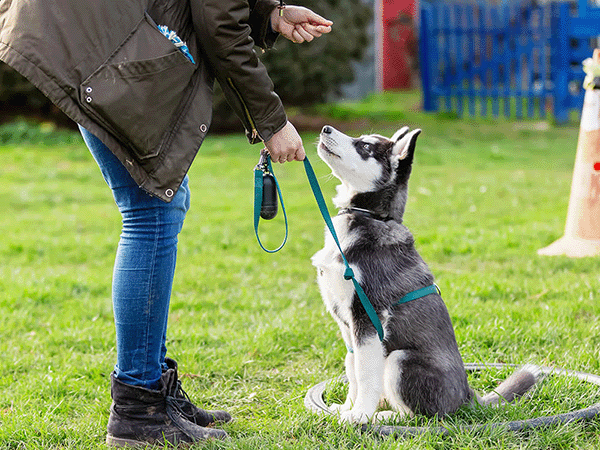
The Best Dog Trainers in the United States of 2026
This is a list of the top dog trainers in the United States, based on votes from the Sniffspot community and the general public.
The Best Dog Trainers in Seattle, WA of 2026
This is a list of the top dog trainers in Seattle, WA, based on votes from the Sniffspot community and the general public.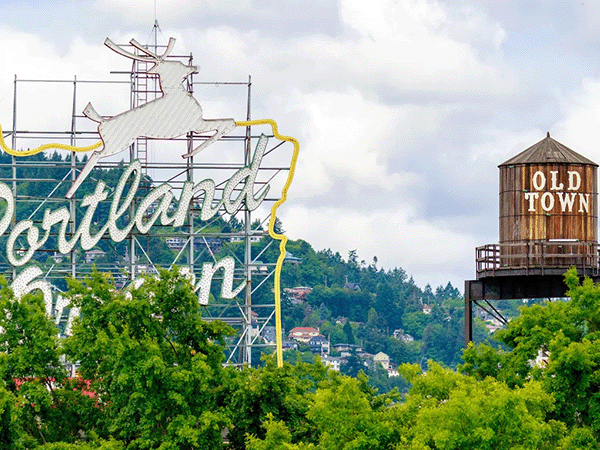
The Best Dog Trainers in Portland, OR of 2026
This is a list of the top dog trainers in Portland, OR, based on votes from the Sniffspot community and the general public.
The Best Dog Trainers in Los Angeles, CA of 2026
This is a list of the top dog trainers in Los Angeles, CA, based on votes from the Sniffspot community and the general public.
The Best Dog Trainers in New York, NY of 2026
This is a list of the top dog trainers in New York, NY, based on votes from the Sniffspot community and the general public.


City dog parks guides

Top 10 Indoor Dog Parks: A US Guide
Looking for a space to play with your dog no matter what the weather’s like outside? Look no further than our list of the best indoor dog parks in the United States! These climate-controlled spaces are growing in popularity as pet ownership increases throughout the country. As a bonus, many of them also offer dog training, boarding, grooming, or daycare services on the premises.
Best Dog Fields in the US: 25+ Wide-Open Spaces for Your Pup to Run Free
The best dog fields in the US offer something that traditional enclosed parks simply can't match: acres of open space where your pup can truly stretch their legs and run at full speed. From Colorado's 470-acre prairie meadows to Tennessee's award-winning "Outback," these wide-open spaces allow dogs to roam, explore, and exercise naturally while engaging instincts that cramped urban parks suppress.

Best Dog Parks in the US: Ultimate Guide to Public & Private Off-Leash Adventures
Is your pup giving you those pleading "let me run free" eyes? Whether you're a new dog parent or a seasoned pro looking for fresh adventures, finding the perfect off-leash paradise for your furry friend can feel ruff! From sun-soaked California beaches where your water-loving lab can make a splash to mountain trails in Vermont where your adventure buddy can chase every scent, we've sniffed out the 15 best dog parks across America.

Dog Parks Near Me: Las Vegas Edition
Looking for the perfect dog park near me in Las Vegas? You're in luck! This guide explores all the best options for your pup, from public dog parks to private dog parks near me on Sniffspot. We'll help you find the ideal spot for playtime, socializing, and fresh air. Plus, we'll cover essential etiquette and safety tips to ensure a happy visit for everyone. Get ready for some tail-wagging fun!
Top Sniffspot Locations: Find the Perfect Dog Park
Looking for the perfect dog park? Whether you need a wide-open public space or a private, fenced-in spot, this guide will help you find the best dog parks across the US. We'll cover top-rated public parks, the perks of private dog parks, and even explore Sniffspot locations – giving your pup a safe and fun place to play. Ready to find your dog's new favorite spot? Let's go!

Sniffspot: Portland's Best Private Dog Parks
Ready to discover Portland's best dog parks? Whether you're looking for a public park or the unique experience of a private Sniffspot, this guide has you covered. We'll help you find the perfect spot for your pup, with tips on what to bring, how to prepare, and even understanding dog body language. Plus, we'll explore some top Portland dog parks, including public and Sniffspot options, so you can plan your next dog-friendly adventure in the City of Roses.
Portland Dog Parks: Public & Private Options
This page is about public city dog parks and also includes Sniffspot private dog parks. Sniffspot is the largest network of private dog parks for rent in the world!
Small Dog Park Guide: Tips for Finding the Perfect Spot
Finding the perfect dog park for your small breed can be ruff! Big dog parks can be overwhelming, even dangerous, for little pups. This comprehensive guide helps you sniff out the best small dog parks for your pint-sized companion, covering everything from essential safety checklists to top recommendations for small dog parks across the US—including both public spots and private dog parks.
/354x256/wp-content/uploads/2023/04/indoordogparks.png)
/354x256/wp-content/uploads/2023/03/offleashdogparks.png)
/354x256/wp-content/uploads/2023/02/vegas.jpg)
/354x256/wp-content/uploads/2023/02/portland.jpg)
/354x256/wp-content/uploads/2023/03/smalldogparks.png)
Dogs breeds

German Shepherd Guide: Best Family Dog? Truth from 9K Owners
The German Shepherd Dog (GSDs) are known for their intelligence, loyalty, and striking appearance. They're also incredibly versatile, excelling as working dogs and devoted family companions. This guide covers everything you need to know about GSDs, from understanding their unique traits and rich history to practical advice on training and care. So, whether you're a seasoned GSD owner or just starting your research, let's explore this remarkable breed together.
Best Dog Fields in the US: 25+ Wide-Open Spaces for Your Pup to Run Free
The best dog fields in the US offer something that traditional enclosed parks simply can't match: acres of open space where your pup can truly stretch their legs and run at full speed. From Colorado's 470-acre prairie meadows to Tennessee's award-winning "Outback," these wide-open spaces allow dogs to roam, explore, and exercise naturally while engaging instincts that cramped urban parks suppress.

Labrador Retriever: America's Best Family Dog? Owner Truth
Discover the Labrador Retriever, a breed celebrated for its playful nature, affectionate temperament, and trainability. Labradors are known for their friendly demeanor and adaptability, making them perfect family companions and versatile working dogs. As one of the most popular types of retrievers, Labs are ideal companions for various lifestyles and are recognized by the American Kennel Club (AKC) as an excellent breed for families.

Golden Retriever Advice: The Complete Owner's Guide
Golden Retrievers: they're gorgeous, playful, and incredibly popular. But before you welcome one into your home, you need the right golden retriever advice. This guide draws on the wisdom of nearly 10,000 Golden Retriever owners, offering practical tips for caring for these affectionate dogs. From understanding their high energy levels to mastering grooming and training, we'll cover everything you need to know. So whether you're already a devoted Golden parent or just starting your research, get ready to learn how to give your furry friend the best possible care.

Are American Staffordshire Terriers Good for First-Time Owners: Complete Guide
Think American Staffordshire Terriers are tough? Think again. While their muscular build might intimidate some, these dogs are known for their playful and loyal personalities. This guide draws on the experience of nearly 10,000 AmStaff owners to reveal the truth about this often misunderstood breed. Want to learn more about caring for an American Staffordshire Terrier? You're in the right place.

Australian Shepherd Facts: Breed Info & Care Guide
Discover the Australian Shepherd, an AKC breed celebrated for its trainable, playful, and affectionate nature. Despite its name, the Australian Shepherd is actually a native breed to the United States, originally developed to breed on farms and ranches. Considered a medium dog, Australian Shepherds were bred for herding beginning in the 1950s. As one of the high-energy breeds, Aussies are known for their boundless energy and need for regular exercise, including aerobic exercise.

Essential Husky Facts for Owners: Breed Guide
Discover the Siberian Husky, a breed celebrated for its curious, intelligent, and loyal nature. Considered a medium-sized dog, Siberian Huskies were originally bred in Russia for sledding, beginning in the early 20th Century. Today, they're one of the most popular active breeds in North America.
/354x256/wp-content/uploads/2024/07/German-Shepherd-Dog.png)
/354x256/wp-content/uploads/2024/07/Screen-Shot-2024-07-24-at-4.06.05-PM.png)
/354x256/wp-content/uploads/2024/07/Screen-Shot-2024-07-25-at-3.05.09-PM.png)
/354x256/wp-content/uploads/2024/07/staffy.jpg)
/354x256/wp-content/uploads/2024/07/Screen-Shot-2024-07-25-at-3.39.43-PM.png)
/354x256/wp-content/uploads/2024/07/catherine-QMumx6XMJSY-unsplash.jpg)